

How IPL & RF Treatments Finally Relieve Chronic Dry Eye in Des Moines
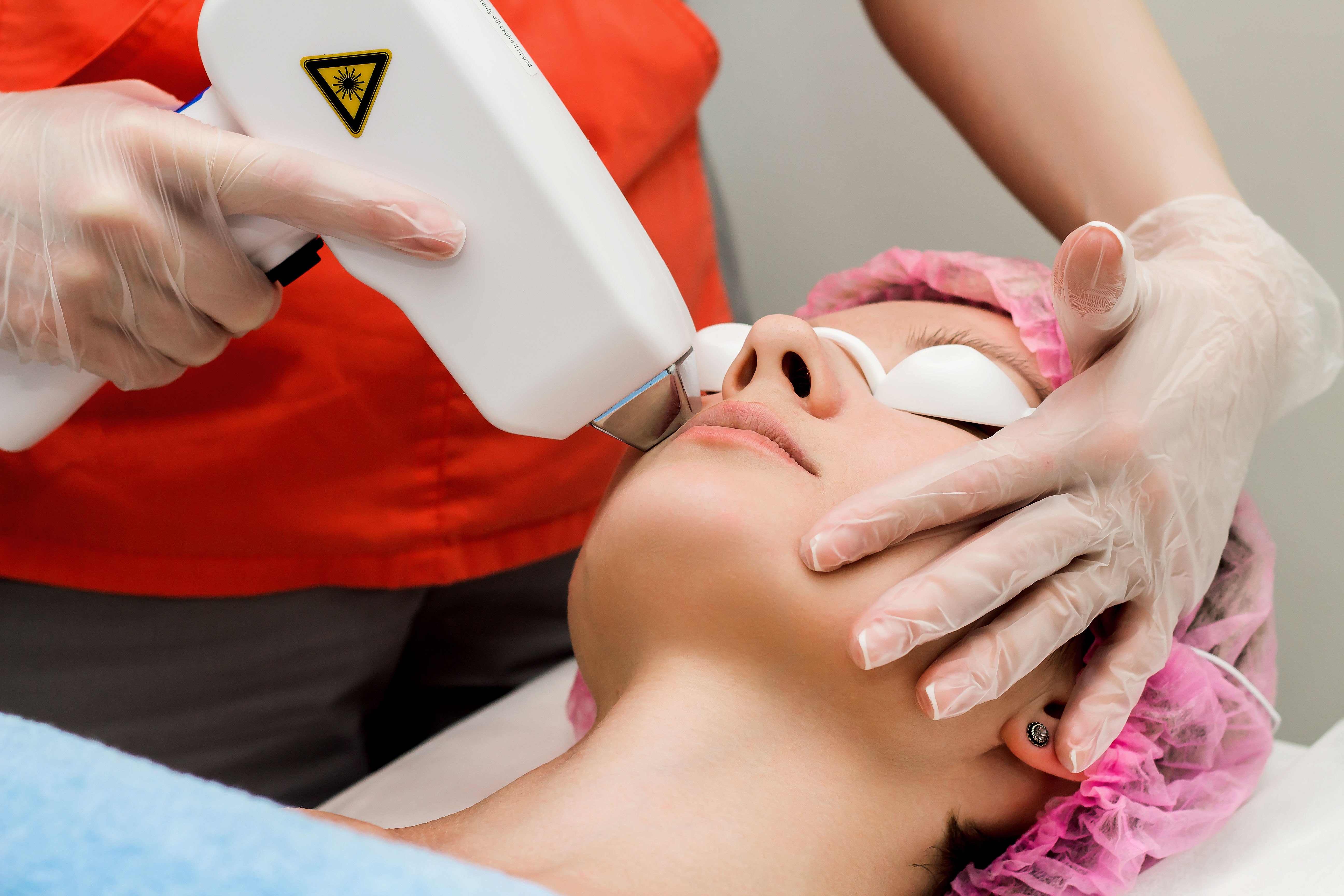
Chronic dry eye can leave your eyes feeling irritated, gritty, or constantly tired. If artificial tears provide only temporary relief, the underlying problem may involve inflammation or poorly functioning oil glands. At dsmeye-skywalk in Des Moines, we focus on identifying the causes of persistent dry eye symptoms and finding treatment options that provide more meaningful relief.
Advanced technologies such as OptiLight IPL and OptiPlus RF offer targeted approaches to managing dry eye disease, particularly when meibomian gland dysfunction (MGD) contributes to discomfort.
Why Chronic Dry Eye Keeps Coming Back
Healthy tears contain water, oil, and mucus that work together to keep your eyes comfortable. The meibomian glands along your eyelids produce the oil layer that slows tear evaporation.
When these glands become blocked or inflamed, tears evaporate too quickly, causing burning, redness, fluctuating vision, and excessive watering. Traditional eye drops may temporarily improve moisture, but they do not always address the underlying gland dysfunction.
How OptiLight IPL Helps Reduce Dry Eye Inflammation
OptiLight by Lumenis uses intense pulsed light (IPL) technology to manage dry eye associated with meibomian gland dysfunction. During treatment, controlled pulses of light are applied to the skin below the eyes. This technology helps reduce inflammation and improve the function of the meibomian glands, supporting a more stable tear film.
OptiLight IPL may help improve tear stability, reduce irritation, and provide longer-lasting symptom relief for suitable patients. Treatment generally involves multiple sessions, with results varying depending on the severity and cause of dry eye disease.
How OptiPlus RF Supports Meibomian Gland Function
OptiPlus RF uses dual-frequency radiofrequency technology to deliver controlled warmth to tissues around the eyes. This targeted heating can support circulation and improve meibomian gland function, helping the glands release the oils needed to protect the tear film.
Unlike treatments focused primarily on inflammation, OptiPlus RF emphasizes warming the tissues surrounding the oil glands. It may be particularly useful when thickened oils or gland dysfunction contribute to ongoing dryness.
Why IPL and RF Treatments Work Well Together
OptiLight IPL and OptiPlus RF address different factors involved in evaporative dry eye. IPL primarily targets inflammation, while RF delivers controlled heat that may improve oil gland function. When used together in an appropriate treatment plan, these technologies may help improve tear quality and reduce recurring symptoms.
Potential benefits include:
• Reduced inflammation around the eyelids
• Improved meibomian gland function
• Better tear film stability
• Less burning, irritation, and fluctuating vision
• Improved daily comfort for patients with chronic dry eye
Treatment results vary, and neither procedure guarantees permanent relief.
What to Expect During Your Dry Eye Evaluation
Before recommending treatment, we assess your symptoms, tear film, eyelid health, and meibomian glands. At our Des Moines office, we use diagnostic techniques, including meibography, to better understand what is contributing to your discomfort.
We also review your medical history and other factors that may affect treatment suitability. Because dry eye is often a chronic condition, follow-up visits and ongoing care may be necessary to maintain improvements.
If persistent dryness, irritation, or watery eyes are interfering with your daily routine, schedule a dry eye evaluation with dsmeye-skywalk. to explore treatment options for healthier, more comfortable eyes. Visit our office in Des Moines, IA, or call (515) 244-7393 to book an appointment today.
contact info
office address 700 Locust St Ste 302
Des Moines, IA 50309
call (515) 244-7393
fax (515) 244-2343
hours of operation
- Monday 9:00am - 5:00pm
- Tuesday 9:00am - 5:00pm
- Wednesday 9:00am - 5:00pm
- Thursday 9:00am - 5:00pm
- Friday 9:00am - 1:00pm
- Saturday Closed
- Sunday Closed
© 2026 dsm eye-skywalk. All rights Reserved. Accessibility Statement - Privacy Policy - Sitemap
Powered by:
