

Dry Eye Testing: Finding the Cause Before Choosing Treatment
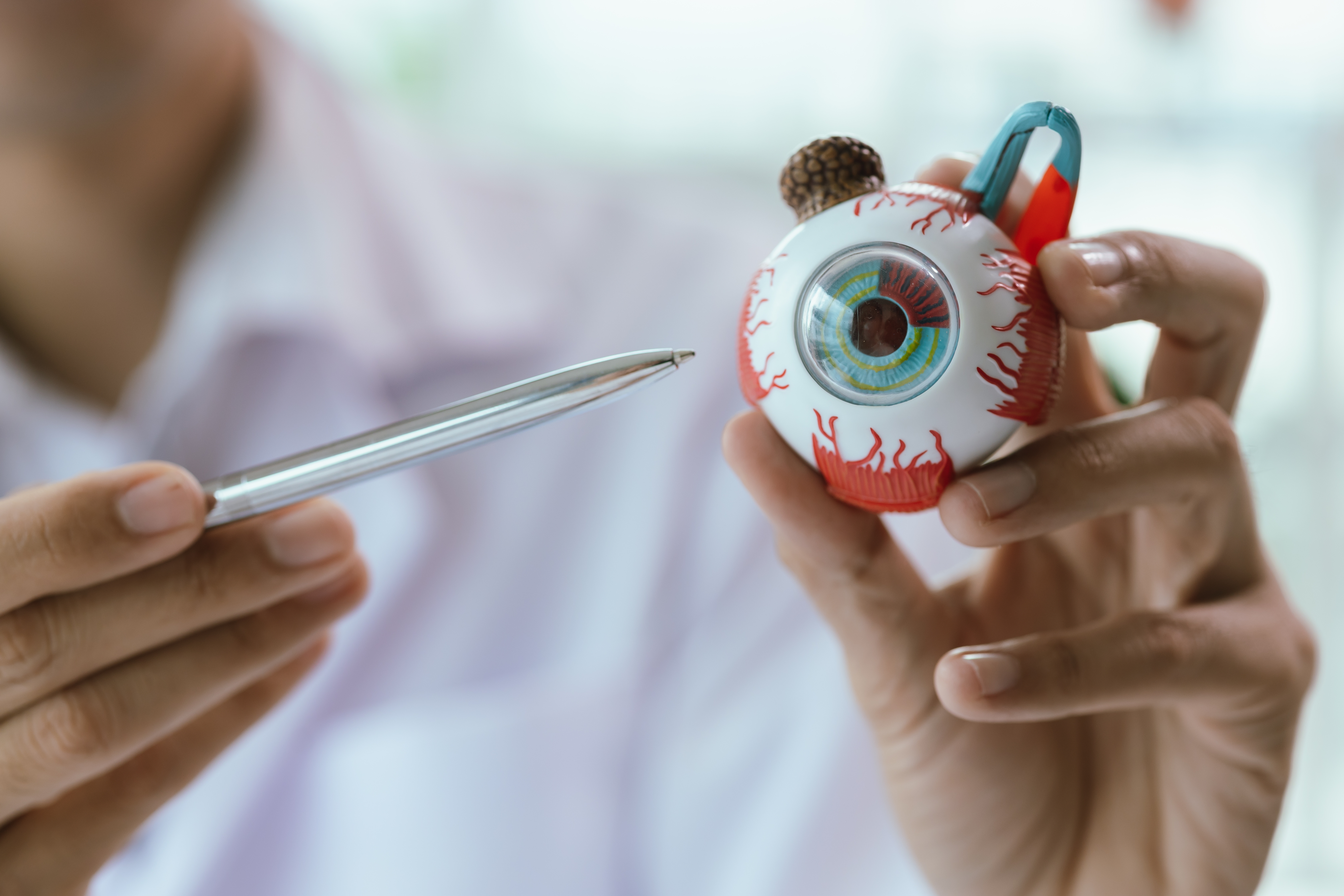
Dry, burning, or irritated eyes can make everyday activities uncomfortable, but not all dry eye symptoms have the same cause. Some people produce too few tears, while others experience excessive tear evaporation due to problems with the oil glands in their eyelids. Identifying the underlying issue is essential to choosing the right treatment.
At dsmeye-skywalk in Des Moines, IA, we use advanced dry eye testing to evaluate tear quality, eyelid health, and inflammation. Our goal is to understand what's contributing to your symptoms before recommending a personalized treatment plan.
The Importance of Identifying the Cause of Dry Eye
Dry eye disease can develop for several reasons, including meibomian gland dysfunction (MGD), reduced tear production, eyelid inflammation, and environmental factors. Symptoms such as redness, blurry vision, excessive watering, and a gritty sensation may overlap, making it difficult to determine the cause without testing.
For example, someone with blocked meibomian glands may need a different treatment approach than someone whose eyes produce insufficient tears. A thorough evaluation helps us identify these differences and avoid relying on temporary symptom relief alone.
What Happens During Dry Eye Testing?
During a dry eye evaluation at our Des Moines office, we review your symptoms, medical history, medications, and daily habits. We also examine the ocular surface and eyelids for signs of inflammation or tear film instability.
Depending on your symptoms, diagnostic testing may include TearLab to measure tear osmolarity, InflammaDry to check for an inflammatory marker, and meibomian gland photography to assess the structure of the eyelid's oil-producing glands. These findings help us determine whether tear evaporation, inadequate tear production, inflammation, or multiple factors are contributing to your discomfort.
Choosing Dry Eye Treatment Based on Your Results
Once we better understand the cause of your symptoms, we can recommend treatments that address your specific needs. Depending on our findings, options may include:
• OptiLight IPL: Uses intense pulsed light to help manage inflammation associated with dry eye disease caused by meibomian gland dysfunction in appropriate patients.
• OptiPlus RF: Uses radiofrequency energy to deliver controlled heat around the eyelids, helping support meibomian gland function.
• LLLT (MDelite): Uses low-level light therapy as a noninvasive option that may help manage inflammation and support tear film health.
• BlephEx: Provides thorough eyelid margin cleaning to remove debris and buildup associated with blepharitis.
• iLux: Combines controlled heat and compression to help release blocked oils from the meibomian glands.
We may also recommend lubricating drops, eyelid hygiene, prescription medications, or other supportive care based on your examination results.
How Follow-Up Visits Help Manage Dry Eye Symptoms
Dry eye is often a chronic condition that requires ongoing management. Follow-up appointments allow us to reassess tear film stability, monitor eyelid health, and evaluate your response to treatment. If symptoms persist or your condition changes, we can adjust your treatment plan based on updated findings rather than symptoms alone.
If dry, irritated eyes are affecting your daily comfort, schedule a dry eye evaluation with dsmeye-skywalk to identify the cause and explore treatment options tailored to your needs. Visit our office in Des Moines, IA, or call (515) 244-7393 to book your appointment today.

contact info
office address 700 Locust St Ste 302
Des Moines, IA 50309
call (515) 244-7393
fax (515) 244-2343
hours of operation
- Monday 9:00am - 5:00pm
- Tuesday 9:00am - 5:00pm
- Wednesday 9:00am - 5:00pm
- Thursday 9:00am - 5:00pm
- Friday 9:00am - 1:00pm
- Saturday Closed
- Sunday Closed
© 2026 dsm eye-skywalk. All rights Reserved. Accessibility Statement - Privacy Policy - Sitemap
Powered by:
