

Advanced Dry Eye Treatment in Des Moines, Iowa

Advanced Dry Eye Treatment in Des Moines, Iowa
Advanced Diagnosis. Personalized Treatment. Lasting Relief.Dry, burning, irritated, or watery eyes can affect everything from reading and computer work to driving and wearing contact lenses. At dsm eye-skywalk, we go beyond temporary symptom relief. We use advanced testing to identify the causes of dry eye and build an individualized treatment plan to improve comfort, support healthier tear function, and protect remaining meibomian gland function.
Schedule Your Comprehensive Dry Eye Evaluation
01
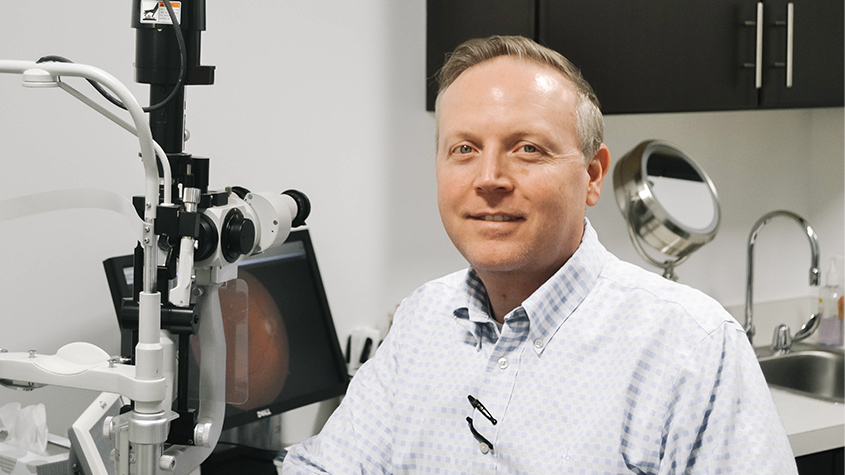
A Personal Message from Dr. Jeffrey L. Koenen
As an optometrist, I have spent many years helping patients understand and manage their eye health. Dry eye is especially personal to me because I have dry eye myself.
I understand how frustrating the discomfort and fluctuating vision can be. That experience is one reason I have made advanced dry eye diagnosis and treatment an important focus of my practice. I have invested in technology that allows us to look beyond symptoms, evaluate the tear film and meibomian glands, and develop individualized treatment plans.
I want my patients to understand not only how we can help them feel better, but why early diagnosis and ongoing care matter. My goal is to improve comfort while preserving as much healthy gland function as possible.
— Jeffrey L. Koenen, OD
02
What Is Dry Eye Disease?
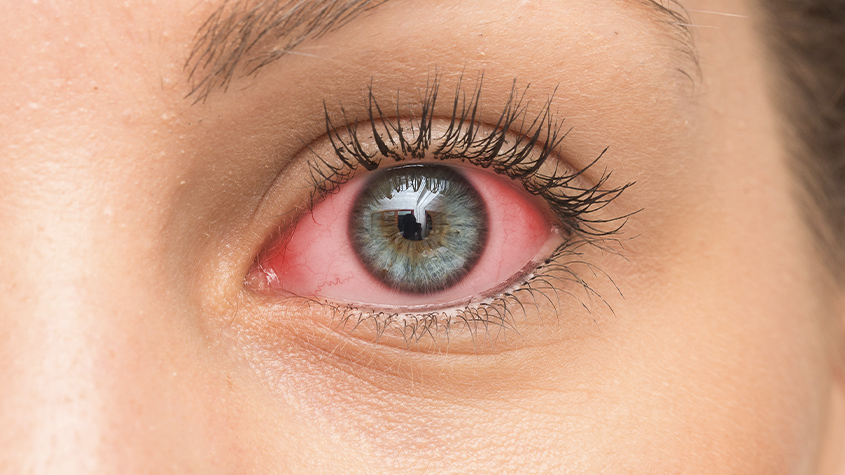
Dry eye disease occurs when the eyes do not produce enough tears, when tears evaporate too quickly, or when the tear film cannot adequately protect the eye surface. Healthy tears provide lubrication, maintain a smooth optical surface, and support clear, comfortable vision.
Evaporative dry eye commonly results from meibomian gland dysfunction (MGD). These glands in the eyelids produce oil that slows tear evaporation. When they become obstructed or dysfunctional, the tear film becomes unstable.
Aqueous-deficient dry eye occurs when the eyes do not produce enough of the watery component of tears. Many people have a combination of these problems, sometimes with ocular surface inflammation. The right treatment depends on identifying which mechanisms are involved.
03
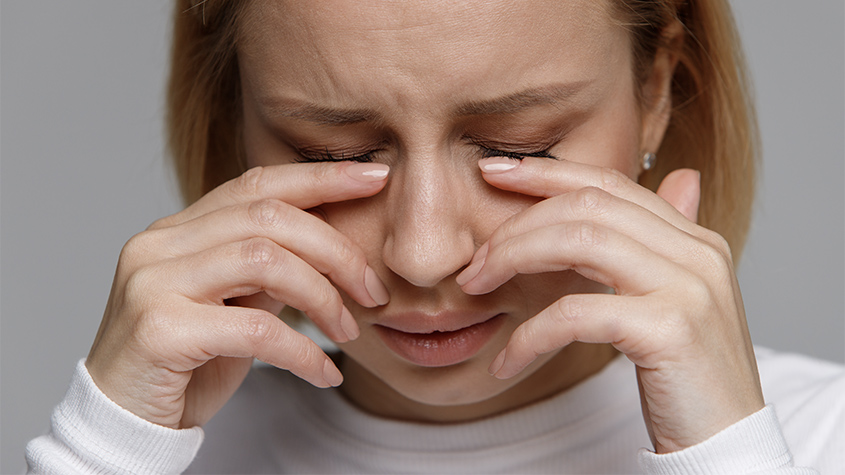
Common Symptoms of Dry Eye
Burning, stinging, or a gritty or sandy sensation
Redness, irritation, or light sensitivity
Excessive watering or reflex tearing
Blurred or fluctuating vision
Eye fatigue or discomfort during computer use or reading
Contact lens intolerance
Sticky or irritated eyelids
Discomfort in wind or air conditioning
Surprisingly, watery eyes can be a sign of dry eye. An unstable tear film may trigger reflex tearing, but those tears do not always provide sustained lubrication.
04
Severe Gland Loss Can Occur Without Symptoms
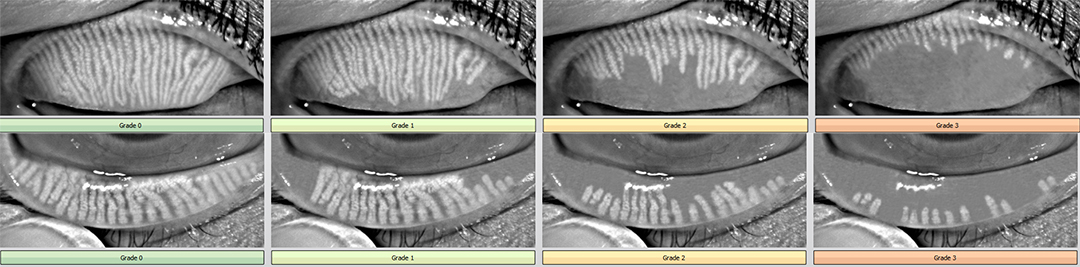
The severity of dry eye symptoms does not always match the severity of underlying meibomian gland damage. Some people have significant discomfort with relatively little structural damage. Others have few or no symptoms even after extensive gland loss.
At dsm eye-skywalk, we have examined patients who reported absolutely no dry eye symptoms, yet advanced imaging showed that nearly all of their meibomian glands had already been lost. That is why we do not rely on symptoms alone.
Once a meibomian gland has completely atrophied, that loss is generally considered permanent. Current treatments cannot regenerate any portion of a gland that has been lost. Objective testing helps us identify changes, evaluate remaining gland function, and determine whether monitoring or treatment is appropriate. Gland loss alone does not mean that every patient needs advanced treatment.
05
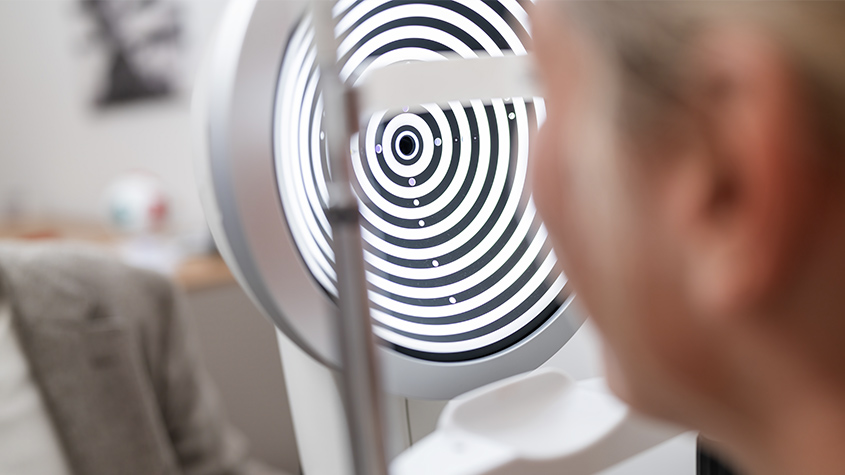
Advanced Diagnosis with the Oculus Keratograph 5M
Our Oculus Keratograph 5M provides detailed, noninvasive information about tear film and eyelid health. Combined with a clinical examination, it helps us determine whether dry eye is primarily evaporative, aqueous-deficient, inflammatory, or a combination.
Meibography — Imaging the Oil-Producing Glands
Infrared imaging lets us visualize the meibomian glands and assess shortening, distortion, and gland dropout—even when symptoms are absent.
Tear Film Stability
Noninvasive tear breakup time measurements help determine how quickly the tear film becomes unstable between blinks.
Tear Volume
Tear meniscus measurements help assess whether low tear volume may be contributing to symptoms.
Redness and Ocular Surface Health
Redness imaging documents visible irritation. We also assess the eyelid margins, blinking, gland secretions, and ocular surface, with additional tests as appropriate.
By combining these findings, we can recommend care based on objective findings and individual needs—not symptoms alone.
06
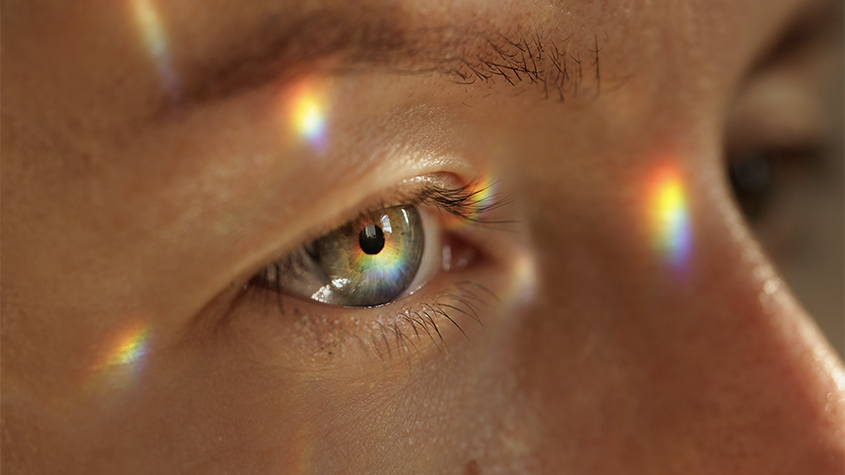
Why Early Diagnosis and Ongoing Care Matter
Dry eye disease is often chronic and may be progressive. In patients with MGD, persistent obstruction and inflammation can contribute to structural gland deterioration and permanent loss. Although treatment may improve the function of surviving glands, it cannot reliably restore glands that are completely lost.
Our goals are to improve comfort and visual quality, support healthier tear film and gland function, and address factors associated with further deterioration. Early identification provides more opportunities to protect the function that remains. No treatment can guarantee that gland loss will stop.
07
Conservative Treatments and Home Care
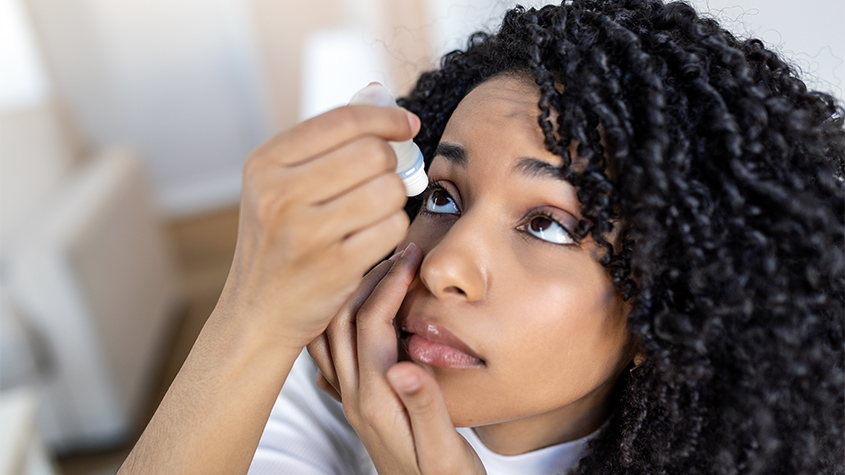
Oasis TEARS® Preservative-Free Lubricating Drops
We frequently recommend Oasis TEARS to replenish moisture, lubricate the ocular surface, and relieve burning and irritation. Oasis TEARS PLUS may be appropriate for selected patients depending on their needs.
Tranquileyes Warm Compresses and Gentle Lid Massage
We recommend the Tranquileyes warming system rather than an ordinary warm washcloth. Washcloths cool rapidly and often cannot maintain sufficient, consistent warmth for the recommended duration. A properly used warming mask helps soften thickened gland oils. Gentle lid massage may then encourage oil flow when appropriate. We provide instructions on safe heat, duration, and technique.
Tea Tree Oil Foam Eyelid Cleanser
An eyelid-formulated tea tree oil foam may help remove debris and buildup, particularly when blepharitis or Demodex-related eyelid disease is present. Do not use undiluted essential oil near the eyes.
Pure & Clean Hypochlorous Acid Spray
Pure & Clean spray is another option for gentle eyelid hygiene, helping reduce microbial buildup around the lid margins. We recommend the most appropriate regimen for each patient.
HydroEye® Nutritional Supplement
HydroEye contains gamma-linolenic acid (GLA), omega-3 fatty acids, and other nutrients intended to support tear film health and normal inflammatory balance. It may complement a treatment plan in selected patients, although supplement research is mixed and results vary. We review whether supplements are appropriate for your health and medications.
Other Supportive Care
Depending on your examination, we may recommend blinking exercises, screen-use changes, environmental adjustments, prescription anti-inflammatory therapies, or tear conservation treatments.
Targeted Clinical Care
In-Office Advanced Dry Eye Therapies
When conservative home therapies are not enough, our advanced in-office treatments target the underlying causes of dry eye disease-including inflammation, meibomian gland obstruction, and eyelid margin buildup.
08
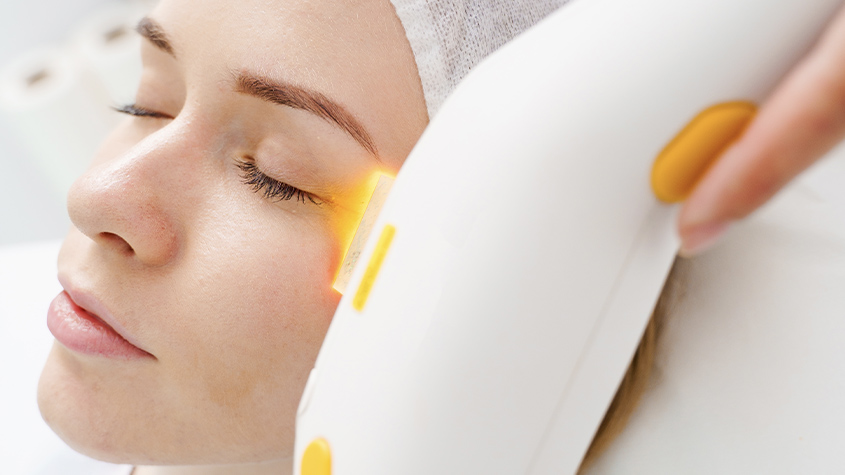
Lumenis OptiLight IPL — Addressing Inflammation Associated with MGD
OptiLight intense pulsed light therapy uses controlled pulses of light applied to the skin around the eyes to target inflammatory processes associated with meibomian gland dysfunction. Chronic inflammation can impair oil secretion and tear film stability.
We may recommend IPL for appropriately selected patients with inflammatory MGD, including some patients with ocular rosacea. Potential benefits include reduced inflammatory signs, improved gland secretions and tear film stability, and less irritation or fluctuating vision. A typical initial course involves approximately four sessions, with maintenance when needed.
OptiLight is FDA-authorized for improvement of signs of dry eye due to MGD in eligible patients age 22 and older with Fitzpatrick skin types I–IV, alongside other treatments. Individual candidacy and precautions are reviewed before treatment.
09
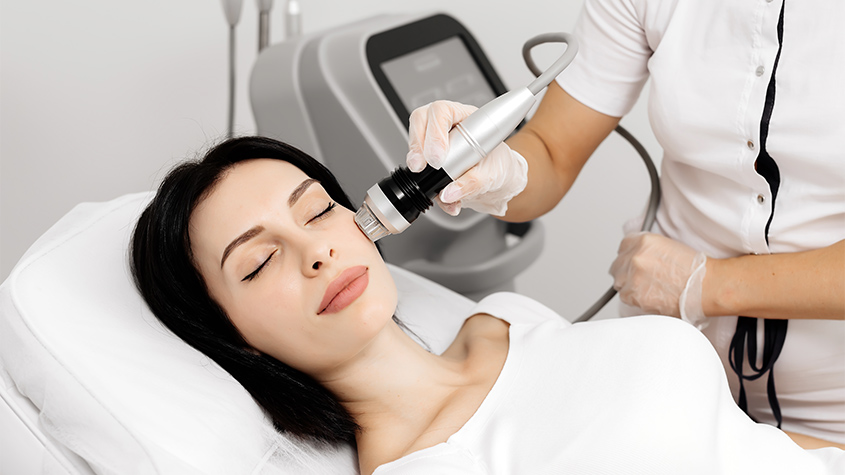
Lumenis OptiPlus Radiofrequency with Gland Expression
OptiPlus radiofrequency applies controlled warmth to tissues surrounding the eyelids. Heating will soften thickened meibomian oils; when appropriate, we follow with manual gland expression to help release obstructed secretions and improve oil flow.
This combination may be recommended when examination reveals obstructive MGD and surviving glands that could benefit from improved secretion. Potential benefits include easier expression, improved tear film stability, and greater comfort. By addressing obstruction and supporting remaining gland function, we also aim to reduce factors associated with progressive gland deterioration.
Research has not established that RF or gland expression reliably stops permanent gland loss. We monitor the structure and function of the glands over time, and tailor the number and frequency of treatments to your response.
10
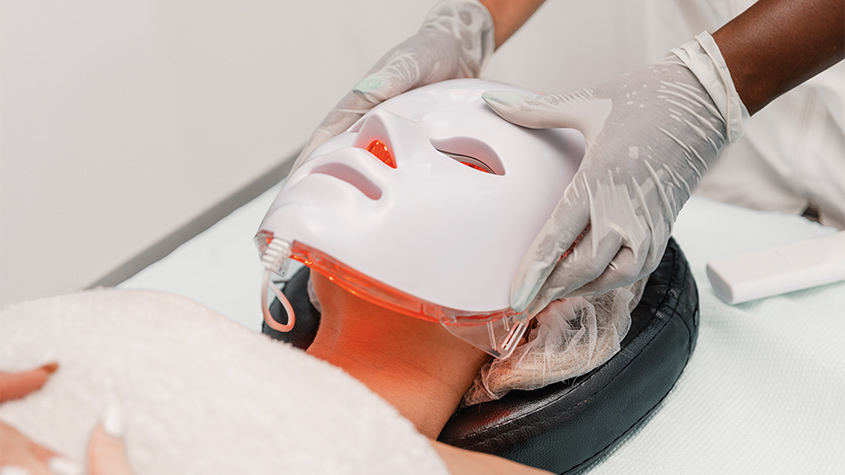
MDElite InfinityPro Low-Level Light Therapy (LLLT)
At dsm eye-skywalk, we use the MDElite InfinityPro system for low-level light therapy, also known as photobiomodulation. It uses selected wavelengths of lower-intensity light to influence cellular processes involved in tissue function and inflammation.
We may recommend LLLT for selected patients as an adjunct to home care or other office treatments. Potential benefits include improved tear film stability and reduced signs or symptoms of dry eye. Results vary, and the evidence depends on the device and treatment protocol. LLLT is not a guaranteed cure or a way to regenerate glands that are completely lost.
11
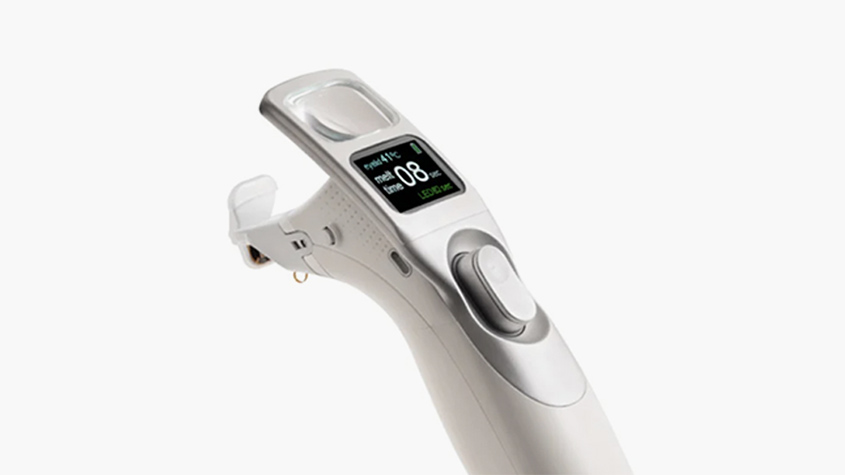
iLux Thermal Pulsation Therapy
The iLux system delivers controlled heat and compression directly to the eyelids to soften and release obstructive meibomian gland secretions. It may be useful when thickened oils do not flow normally with blinking.
Potential benefits include improved oil flow, better tear film stability, and reduced dryness or irritation. We evaluate gland function and remaining tissue before recommending this treatment.
12
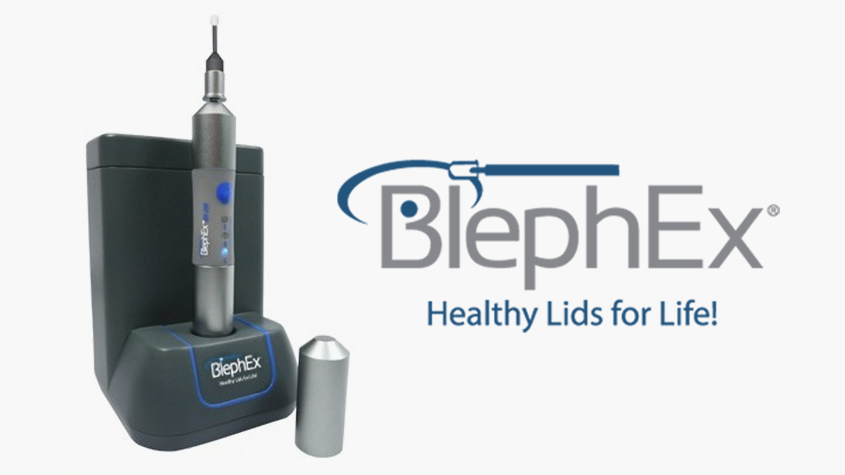
BlephEx Professional Eyelid Cleaning
BlephEx gently exfoliates the eyelid margins and lash bases to remove debris and buildup associated with blepharitis. It may improve eyelid hygiene and reduce crusting and irritation in appropriately selected patients. It is also beneficial to unblock Meibomian glands to increase oil secretions. Continued home eyelid care may help maintain the benefits.
13
Manual Meibomian Gland Expression
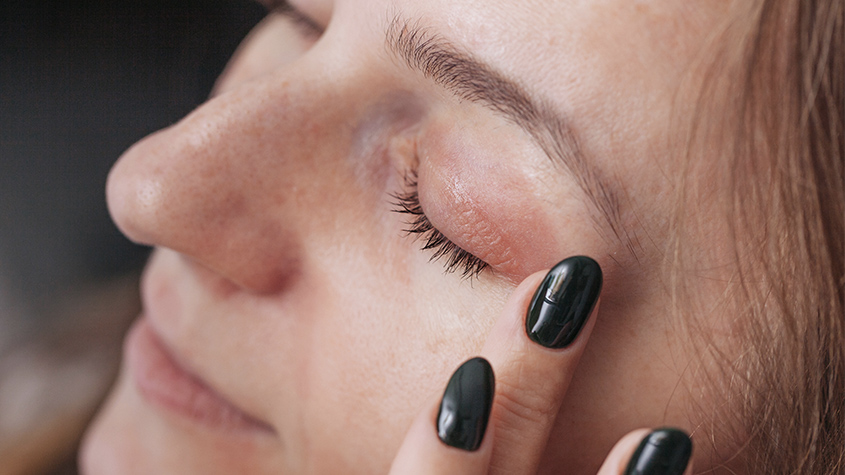
Manual expression uses carefully controlled pressure to release thickened oil from obstructed meibomian glands. It may be performed on its own or alongside IPL, RF, or other therapies. The goal is to improve secretion flow, tear film quality, and comfort while avoiding excessive eyelid pressure.
14
Why We May Recommend Combination Therapy
Many patients have several contributing factors at once: inflammation, obstructed glands, unstable tears, and eyelid debris. A personalized plan might combine IPL to address inflammation, RF or iLux to improve secretion flow, gland expression to clear obstructive oils, BlephEx for eyelid hygiene, LLLT for selected patients, and ongoing home care.
Not everyone needs every treatment. We recommend therapies based on the examination, medical history, gland structure and function, and your goals.
15
What to Expect at Your Dry Eye Evaluation
We discuss your symptoms, lifestyle, history, an prior treatments.
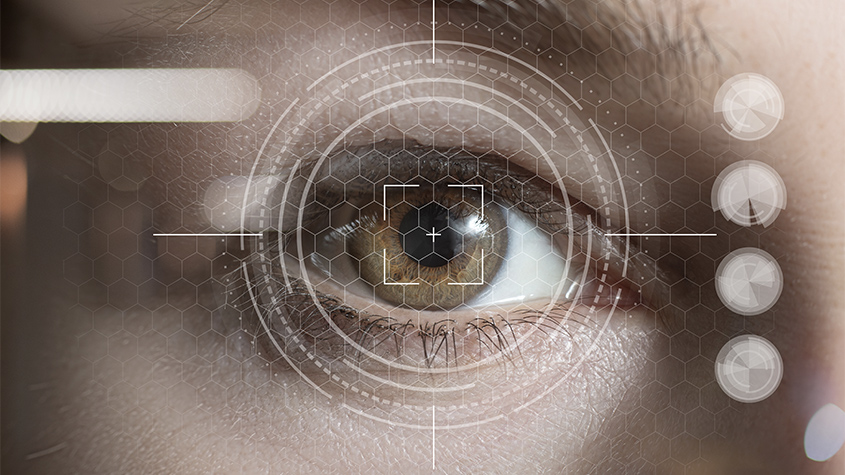
We assess the tear film, ocular surface, eyelids, and meibomian glands using the Oculus Keratograph 5M and clinical examination.
We explain what the findings mean, including any structural gland loss.
We recommend an individualized plan, from home care to advanced treatment when appropriate.
We reassess your response and adjust ongoing maintenance and monitoring.
16
Frequently Asked Questions
Can dry eye disease be cured?
Dry eye is often chronic and may require ongoing management. Many patients improve substantially, but maintenance may be needed.
Can my meibomian glands grow back?
Partial or completely atrophied glands do not regenerate with currently available treatments. We focus on supporting the glands that remain.
Can I have gland loss without symptoms?
Yes. We have seen patients without symptoms whose imaging revealed extensive gland loss. That is why objective evaluation matters more than subjective.
Why not use a warm washcloth?
Washcloths lose heat quickly. A properly used Tranquileyes warming system maintains the proper amount of heat more consistently for the proper amount of time.
Will I need multiple treatments?
That depends on the cause and severity of your condition. Some treatments are delivered in a series, and maintenance treatments are recommended to maintain the level of improvement that we worked so hard to achieve.
Does insurance cover advanced dry eye treatments?
At our practice, IPL, radiofrequency, LLLT, iLux, and BlephEx are generally offered as self-pay services and are typically not covered by insurance. Some technologies originated in aesthetic medicine, and some procedures use noncovered service codes. Coverage and coding vary by service and plan. We explain expected out-of-pocket costs before treatment. Diagnostic examinations and prescription medications may be covered differently.
Why is follow-up important?
Underlying gland dysfunction may continue even when symptoms improve. Periodic reassessment helps guide ongoing care.
Protect Your Eyes Before More Damage Occurs
At dsm eye-skywalk, we combine advanced Oculus Keratograph 5M testing with personalized treatment options to improve comfort, support tear film health, and care for your remaining meibomian glands. You do not have to wait for severe symptoms to ask about your gland health.
Schedule Your Comprehensive Dry Eye Evaluation
contact info
office address 700 Locust St Ste 302
Des Moines, IA 50309
Des Moines, IA 50309
call (515) 244-7393
fax (515) 244-2343
hours of operation
- Monday 9:00am - 5:00pm
- Tuesday 9:00am - 5:00pm
- Wednesday 9:00am - 5:00pm
- Thursday 9:00am - 5:00pm
- Friday 9:00am - 1:00pm
- Saturday Closed
- Sunday Closed
© 2026 dsm eye-skywalk. All rights Reserved. Accessibility Statement - Privacy Policy - Sitemap
Powered by:
